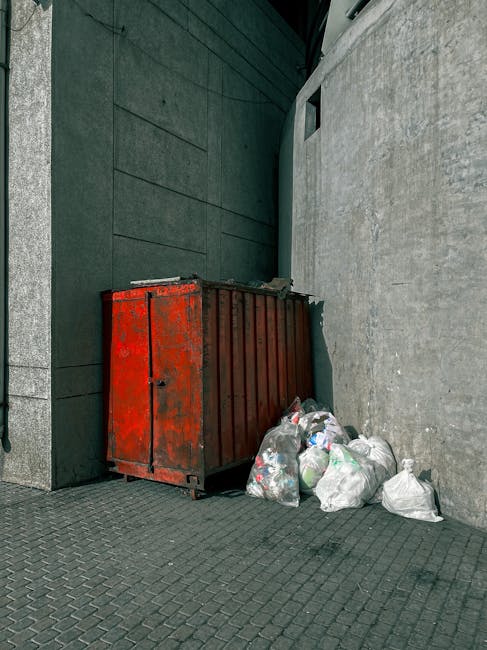
What Waterloo homeowners should know about rubbish charges

If you own a home in Waterloo, rubbish charges can feel oddly opaque. One quote seems fine, the next one jumps because of access, waste type, or simply the amount of stuff piled up after a clear-out. And let's face it, nobody enjoys paying more than they expected for bags, bulky items, or a garden pile that looked smaller yesterday than it does today.
This guide explains what Waterloo homeowners should know about rubbish charges in plain English. You'll learn how charges are usually worked out, what pushes the price up or down, how to compare options sensibly, and where homeowners often make avoidable mistakes. If you're planning a one-off clear-out, a room refresh, or a bigger home project, the aim here is simple: help you make a calmer, smarter decision.
Why What Waterloo homeowners should know about rubbish charges Matters
Rubbish is one of those household jobs that can wait until it absolutely cannot. Then suddenly the spare room is full of boxes, the hallway has a broken wardrobe, and the old mattress has been leaning against a wall for three weeks. In Waterloo, where many homes are compact and access can be tight, that problem can show up fast and become surprisingly expensive if you do not plan properly.
Knowing how rubbish charges work matters because the cheapest quote on paper is not always the cheapest outcome. A low headline price can become less attractive once you factor in loading time, difficult access, stair carries, additional labour, or waste that needs special handling. On the other hand, paying for the right service can save you time, strain, and a lot of back-and-forth. Honestly, that is often where the value sits.
It also matters for trust. If you understand the basics, you are much better placed to ask sensible questions and spot a quote that feels too vague. That is especially useful in busy parts of London, where the practical realities of parking, narrow roads, flats, shared entrances, and time windows can affect the final charge.
Expert summary: for Waterloo homeowners, rubbish charges are usually driven by volume, waste type, access, labour, and disposal route. The best approach is to compare like for like, not just price tags.
How What Waterloo homeowners should know about rubbish charges Works
Most rubbish charges are built from a few moving parts. The main idea is straightforward: the more time, space, labour, or specialist handling a job needs, the more it tends to cost. But the actual quote can look different depending on the provider and the type of waste involved.
1) Volume or load size
This is usually the starting point. Waste is often priced according to how much space it takes in a vehicle or container. A few black bags is one thing; half a garage full of mixed furniture is another. People often underestimate this part. It is human nature, really. A pile in the corner looks tiny until it is lifted and measured properly.
2) Type of waste
General household rubbish is usually simpler to handle than items that need separate treatment. For example, white goods, fridges, mattresses, sofas, or certain materials may attract different handling or disposal requirements. Hazardous materials are in a different category again and should be treated with care. If you want to understand the boundaries better, pages like what can go in a skip and hazardous waste disposal are useful references.
3) Labour and access
Access can be a quiet cost driver. A ground-floor pickup with driveway access is easier than three flights of stairs, a locked courtyard, or a flat with limited parking. In Waterloo, that can matter a lot. Time spent carrying items, waiting for entry, or navigating a building can be reflected in the charge. Not always, but often enough to check.
4) Disposal and recycling route
Not all rubbish goes to the same place. Some items can be reused, some recycled, and some need specialist treatment. Responsible providers will separate materials where possible, and that can influence the pricing structure. For homeowners who care about waste being dealt with properly, recycling and sustainability is worth reading alongside any quote.
5) Minimum charges and call-out costs
Some jobs fall below a provider's minimum charge, which means small clearances may cost more than expected. That is why two bin bags and a single chair are not always as cheap as they sound. You are paying for arrival, labour, transport, and disposal, not just the physical volume.
There is no magic formula that fits every home, and that is exactly why clear descriptions matter. Photos, item lists, and a realistic sense of access make a quote far more dependable. If a provider asks the right questions early, that is usually a good sign.
Key Benefits and Practical Advantages
When homeowners understand rubbish charges properly, the benefits go well beyond saving a bit of money.
- Better budgeting: you can plan a room clear-out or moving-day clean-up without nasty surprises.
- Faster decisions: you know whether to book a collection, hire a skip, or split the job into phases.
- Less stress: no more guessing whether the pile in the hallway will cost a little or a lot.
- Cleaner homes: clutter disappears sooner, which makes day-to-day life feel lighter.
- Safer spaces: removing broken furniture, heavy items, and trip hazards reduces domestic risk.
- More predictable service: clear pricing usually means clearer expectations on collection day.
There is also a practical side that gets overlooked. Once rubbish is cleared, the rest of the home becomes easier to clean, decorate, or list for sale. Even the air feels different in a room that is not crammed with old stuff. Slightly dramatic, maybe, but true.
For larger clearances, it can help to look at services that match the job type. A loft, garage, or whole property can often be handled more efficiently than trying to piece together several smaller removals. Pages such as loft clearance, garage clearance, and house clearance are useful if your waste is tied to a specific area of the property.
Who This Is For and When It Makes Sense
This topic is relevant to almost any homeowner, but it is especially useful if you are in one of the following situations:
- You are clearing out a property after years of accumulated clutter.
- You are replacing furniture, appliances, or mattresses.
- You are dealing with renovation waste from a small home project.
- You have a garden or outdoor area that has got a bit out of hand.
- You are preparing a flat, house, or rental property for sale or new occupants.
- You want a straightforward way to dispose of mixed household waste without multiple trips.
It also makes sense if you have already tried to estimate the job yourself and got stuck. Maybe you thought it was only a few bags, then realised there were broken shelves, a radiator cover, and an old freezer hiding behind them. That happens all the time.
Waterloo homeowners in flats or period properties may feel the impact more sharply because access and parking can be awkward. If that sounds familiar, services like flat clearance or home clearance can be more appropriate than trying to force the job into a one-size-fits-all approach.
Step-by-Step Guidance
If you want a sensible way to manage rubbish charges, use this process. It is simple, but it works.
- List everything you want removed. Be specific. "Old stuff" is too vague. Note furniture, bags, appliances, garden waste, broken items, and anything that might need separate handling.
- Take a quick photo or two. Photos help a provider judge volume and access. Stand back far enough to show the room, stairs, doorway, or garden path.
- Check access details. Think about parking, lift access, narrow stairs, timed entry, and whether the item is on a top floor. These small details can change the price more than you expect.
- Ask what is included. Does the quote include labour, loading, disposal, recycling, and any minimum charge? If not, ask. Plainly. No need to be shy.
- Compare the whole offer, not just the price. A slightly higher quote may still be better if it is clearer and includes more.
- Book the right service for the job. If it is mainly household clutter, a broader waste removal service may fit. If it is one category only, such as appliances or furniture, a more targeted option can be more efficient.
- Prepare the waste before collection day. Separate items where sensible, flatten cardboard, and make sure paths are clear. That can help reduce loading time and keep the job neat.
If you need a service overview before booking, waste removal is a good starting point, and for quotes the pricing and quotes page can help you understand what the provider expects from you.
Expert Tips for Better Results
A few small habits can make a big difference to the final charge. In our experience, these are the details that save the most hassle.
- Be honest about quantity. Understating the amount is the quickest way to get a quote that does not hold up.
- Group similar items together. It helps with loading and can make it easier to spot anything that needs special treatment.
- Flag awkward items early. Fridges, sofas, and large wardrobes need more planning than bags of general waste.
- Use one clear point of contact. That avoids confusion on the day, especially if the property is shared or let out.
- Plan around building access. If a concierge, door code, or lift booking is needed, sort it out beforehand. Little things, big difference.
- Ask about recycling practices. Responsible handling is not just about compliance; it is also a sign the provider understands the job properly.
If you are clearing out furniture, the right route is often more specific than you think. Furniture clearance, furniture disposal, and mattress and sofa disposal each make sense in different scenarios, particularly when bulky items dominate the load.
One more thing: do not assume every provider prices in the same way. Some will focus on space used, others on the estimated time and effort. That is why a proper comparison matters more than a quick glance at a single number.
Common Mistakes to Avoid
Most bad experiences with rubbish charges come down to one of a few predictable mistakes. The good news? They are easy to avoid once you know them.
- Choosing the cheapest quote without checking the detail. A low headline price can hide extra charges.
- Ignoring access issues. If the crew has to carry items down stairs or wait for entry, the final cost may rise.
- Mixing ordinary rubbish with specialist items. This can complicate the load and affect the quote.
- Leaving sorting until collection day. It slows things down and can make the job feel chaotic.
- Not asking about minimum charges. Small jobs can be surprisingly expensive if you do not understand the base cost.
- Assuming every item can go together. Some waste types need separate treatment, and that is not something to guess at.
Another common one: homeowners forget how much is stored in garages, lofts, and spare rooms. The pile grows quietly for months. Then, one Saturday morning, it looks like a mini mountain. Happens more than people admit.
If your clear-out includes bulky or awkward items, check service pages before booking. For example, fridge and appliance removal is a better fit for white goods than a general "everything" request, and builders waste clearance is the more relevant option for renovation debris.
Tools, Resources and Recommendations
You do not need fancy tools to make sense of rubbish charges, but a few practical resources help a lot.
- A phone camera: photos are the simplest way to show load size and access.
- A rough item list: write it down room by room so you do not miss anything.
- A measuring tape: useful for doors, stairwells, and awkward furniture.
- Basic sorting containers: bags, boxes, and labels make it easier to separate waste.
- A booking note: keep access instructions, collection times, and any special requests in one place.
For homeowners who want to understand the service provider itself, pages such as about us, insurance and safety, and health and safety policy can help build confidence before booking. If you are concerned about how payment is handled, payment and security is worth a look too.
For jobs that touch on sensitive documents or home office decluttering, confidential shredding can be a helpful extra. It is one of those small services you may not think about until there is a box of paperwork staring at you from the corner. Then suddenly it matters quite a lot.
Law, Compliance, Standards, or Best Practice
Waste collection in the UK is not just a matter of convenience. Homeowners do not need to memorise every rule, but it does help to understand the broad best-practice landscape.
First, waste should be handled by a responsible operator who can transport and dispose of it properly. Good practice includes sorting recyclable material where possible, handling hazardous items separately, and keeping the process traceable. If a provider is unclear about where waste goes, that is a red flag.
Second, certain items require special care. Fridges, chemicals, paints, batteries, and some electrical waste are not the same as a bag of old clothes or cardboard. For householders, the safest approach is to identify these items early and flag them before collection.
Third, homeowners should avoid fly-tipping temptations. It may sound obvious, but if someone offers a suspiciously cheap "we'll take anything" deal, pause. Fast. A low price is never worth creating a legal or environmental problem for yourself.
A sensible provider should also have clear terms, fair customer expectations, and a complaints route if something goes wrong. If you want to understand that side of the service, terms and conditions and complaints procedure are worth checking before you book.
Best practice, in simple terms, is this: describe the waste accurately, separate anything sensitive or hazardous, and choose a provider that is transparent about pricing and handling. That is the cleanest route, literally and figuratively.
Options, Methods, or Comparison Table
Homeowners usually decide between a few practical approaches. The right one depends on how much waste you have, how quickly you need it gone, and how much effort you want to put in yourself.
| Option | Best for | Strengths | Possible drawbacks |
|---|---|---|---|
| Professional waste removal | Mixed household rubbish, bulky items, and time-sensitive clear-outs | Convenient, quick, labour included, less manual effort | Can cost more than self-managed disposal |
| Skip hire | Longer projects, ongoing renovation waste, bigger volume | Good for phased jobs, flexible over several days | Needs space, permits may be required, loading is your job |
| Self-haul to a disposal site | Smaller loads and homeowners with suitable transport | Can be cost-effective for very small amounts | Time-consuming, physical effort, multiple trips may be needed |
If you are weighing up skip hire against collection, the page on what can go in a skip is useful because it helps you avoid the classic "we thought it would all fit" problem. If the job is mostly garden cuttings, garden clearance may be simpler and cleaner.
For many Waterloo homes, especially flats and smaller terraces, collection-based waste removal is often the least awkward choice. Space is tight, parking is fiddly, and no one wants a skip taking over the street for days. Quite reasonably.
Case Study or Real-World Example
Here is a realistic example. A homeowner in Waterloo wants to clear a spare room before decorating. The room contains two broken bedside tables, a small wardrobe, three bin bags, a rolled-up rug, and an old desk chair. On paper, it looks manageable. In practice, the flat is on an upper floor, the stairwell is narrow, and parking is limited.
The first instinct might be to ask only for a price. But a better approach is to send photos, explain the access, and list every item clearly. Once that happens, the quote is more likely to reflect the real job rather than a vague estimate. On collection day, the crew can plan the carry route, load efficiently, and avoid delays. The homeowner gets a tidy room, no missed items, and no awkward surprise charge after the van doors shut.
That is the difference between a quote that looks cheap and a service that actually works. The price is part of the decision. The clarity is the other part.
For a similar kind of clearance, a home owner might also consider loft clearance if the surplus has spread upwards, or office clearance if the waste is mainly desks, files, or equipment from a home work setup.
Practical Checklist
Use this before you book anything:
- List every item you want removed.
- Take photos from a few angles.
- Note access issues, stairs, parking, and lift use.
- Separate hazardous, electrical, and bulky items where possible.
- Ask what the price includes.
- Check whether minimum charges apply.
- Confirm how recycling and disposal are handled.
- Read the provider's terms before you accept the quote.
- Prepare the items so collection is quick and safe.
- Keep your booking and contact details handy on the day.
If you are the sort of person who likes to tick things off, this part is oddly satisfying. A little boring, yes, but satisfying.
Conclusion
What Waterloo homeowners should know about rubbish charges comes down to one simple idea: good pricing starts with good information. If you understand what affects the cost, you are far less likely to be caught out by hidden effort, awkward access, or specialist waste handling. You also get a cleaner comparison between providers, which is half the battle.
For most homeowners, the smartest move is to describe the waste clearly, prepare the property properly, and choose the service that matches the job rather than the one that merely sounds cheapest. That usually leads to a smoother collection and a fairer result. Not perfect, maybe, but properly workable.
If you are ready to clear space and want a straightforward next step, take a few photos, make your list, and review the service options that fit your home best.
Get a free quote today and see how much you can save.
Sometimes the best home improvement is simply getting the unwanted stuff out of the way. And once it is gone, the room feels bigger in a way that is hard to explain until you stand there and hear the quiet.
Frequently Asked Questions
How are rubbish charges usually calculated for Waterloo homes?
They are usually based on volume, waste type, labour, and access. A small easy job costs differently from a bulky item collection on an upper floor, so the quote depends on the real effort involved.
Why does a small amount of rubbish sometimes cost more than expected?
Because minimum charges, transport, labour, and disposal costs still apply. Even a few bags may require a vehicle, time, and handling, so the price is not just about physical size.
Is a quote likely to change on the day?
It can, if the actual waste or access differs from what was described. Clear photos and an accurate item list reduce that risk a lot.
Do furniture items cost more than bagged waste?
They often can, especially if the items are bulky, heavy, or awkward to carry. Sofas, wardrobes, and mattresses usually need more space and labour than bagged household waste.
What should I tell a provider before collection?
Tell them what the items are, how much there is, where the property is, whether there are stairs or lift access, and whether any items are special waste such as fridges or chemicals.
Can garden waste be charged differently from household rubbish?
Yes, sometimes. Green waste, soil, branches, and mixed garden debris may need different handling, so it helps to describe it clearly before booking a collection.
Is skip hire better than waste removal for a homeowner?
It depends on the job. Skip hire suits longer projects and larger volume, while waste removal is often easier for bulky items, mixed loads, and homes with limited space.
What if my rubbish includes a fridge, mattress, or old sofa?
Those items usually need specific handling. It is best to mention them early and check the relevant service pages before booking, rather than adding them at the last minute.
How can I avoid paying more than necessary?
Be accurate, compare quotes properly, and prepare access in advance. A tidy, well-described job usually gets a more reliable price than a vague, rushed one.
Should I read terms and conditions before booking?
Yes. It is a good habit, especially if you want to understand what is included, how changes are handled, and what happens if the collection needs to be rescheduled.
What if I am not sure how much rubbish I actually have?
Take photos and ask for guidance. A decent provider can usually estimate from pictures and a short description, which is far better than guessing from memory.
Is recycling part of the service or an extra concern for me?
It is both a service issue and a homeowner preference. Many providers separate recyclable material where possible, and it is worth asking how they approach it if sustainability matters to you.